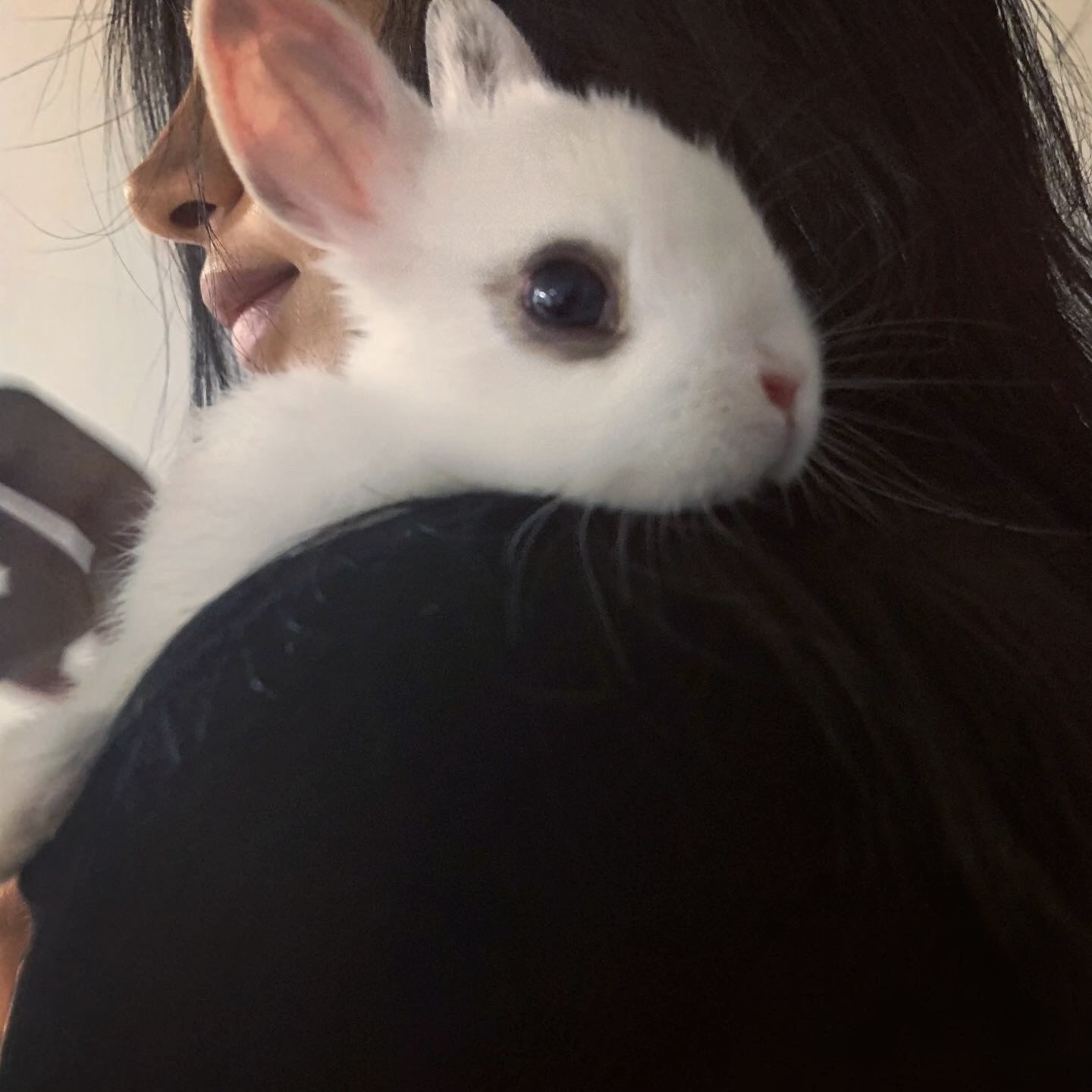
For the people who've always cared this much.

Where rescue becomes ritual.
The platform where rescue becomes part of everyday life.
Leave your email and we'll send you an invite when animals are available near you.
The crisis we're responding to.
U.S. shelters are over capacity. Nationally, roughly 1 million animals are euthanized annually simply because there aren't enough homes or fosters.
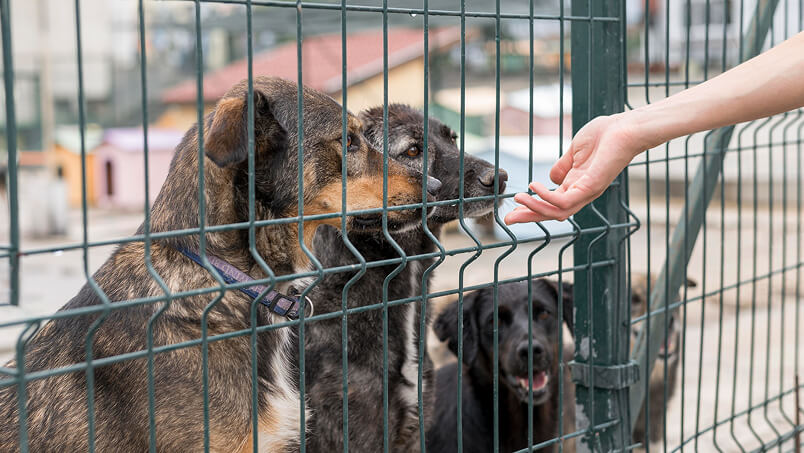
"Where rescue becomes ritual, not a guilt trip."
Partner With UsPartnerships that make compassion visible.
We collaborate with rescues, shelters, businesses, brands, and creators who believe rescue should feel like a lifestyle, not an obligation.
Rescues and Shelters
Greater visibility for your animals and your organization. Recognition and rewards for your fosters and volunteers. Free for shelters and rescues, always.
Cafes and Restaurants
Access to a loyal, values-driven community of consumers. Visibility across the platform. Meaningful brand alignment with a movement that resonates.
Hotels and Businesses
A direct line to an engaged, purpose-driven audience. Brand presence within a platform built around lifestyle and values.
Brands and Sponsors
Measurable social impact tied directly to your brand. Access to a community that rewards brands that show up with purpose.
Wellness and Mental Health
Direct access to a community with documented high rates of emotional labor and burnout. Partnership that takes wellbeing seriously.
Creators and Influencers
Content that connects your audience to something that matters. Partnership with a brand building something genuinely new.
In Memoriam
To my dear Shiva,
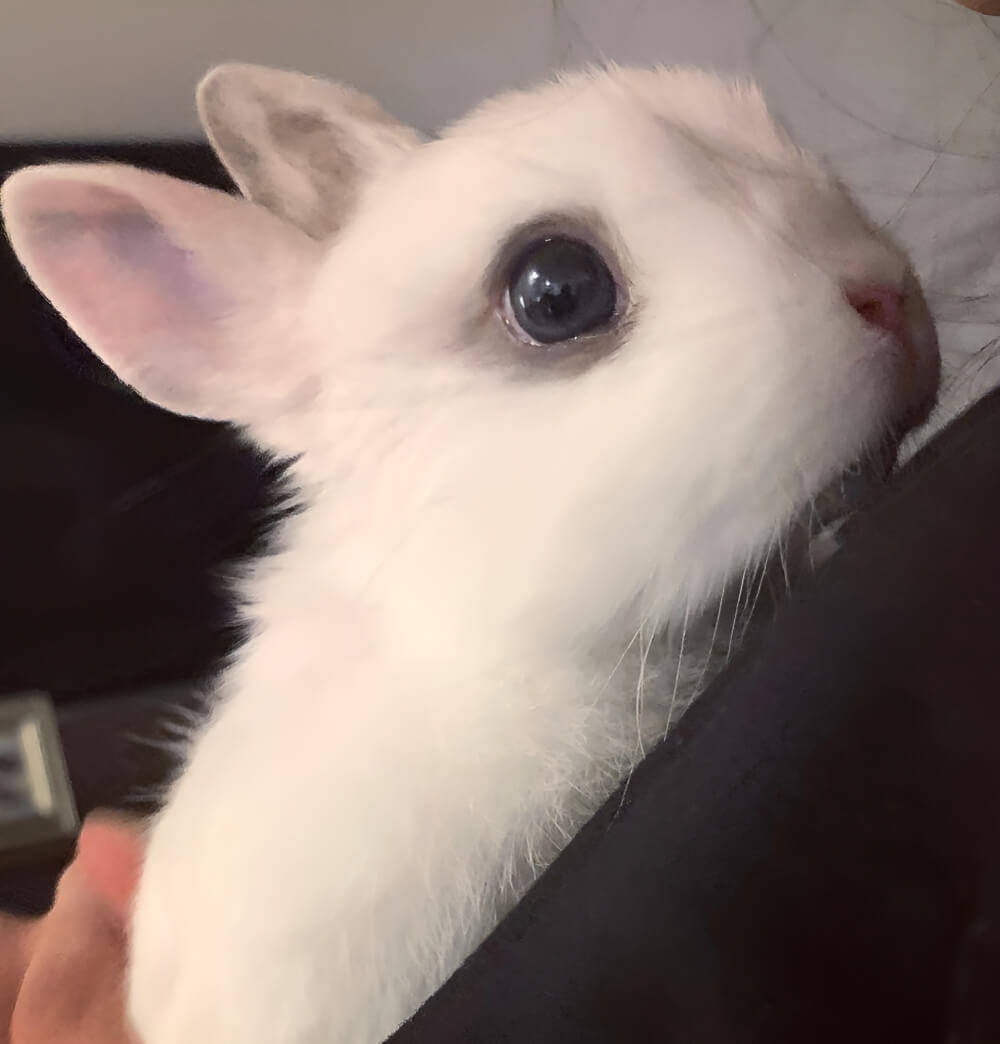
I still look for you in quiet corners —
in the soft weight of blankets, in the hush before morning.
You were just one little heartbeat, but you changed mine forever.
You showed me the kind of love that doesn't fade — the kind that becomes a purpose.
This is how I keep you alive:
every rescue, every ritual, every heartbeat saved — you're in all of it.
I still set the blanket down the way you liked it,
as if you might curl into it again.
Even now, my hands still reach for where you were.
This is for you —
and for every soul that just needs to be loved, even once, the way I loved you.
Shiva,
this is your legacy.
Born December 16, 2019 · October 14, 2025
The people building this.
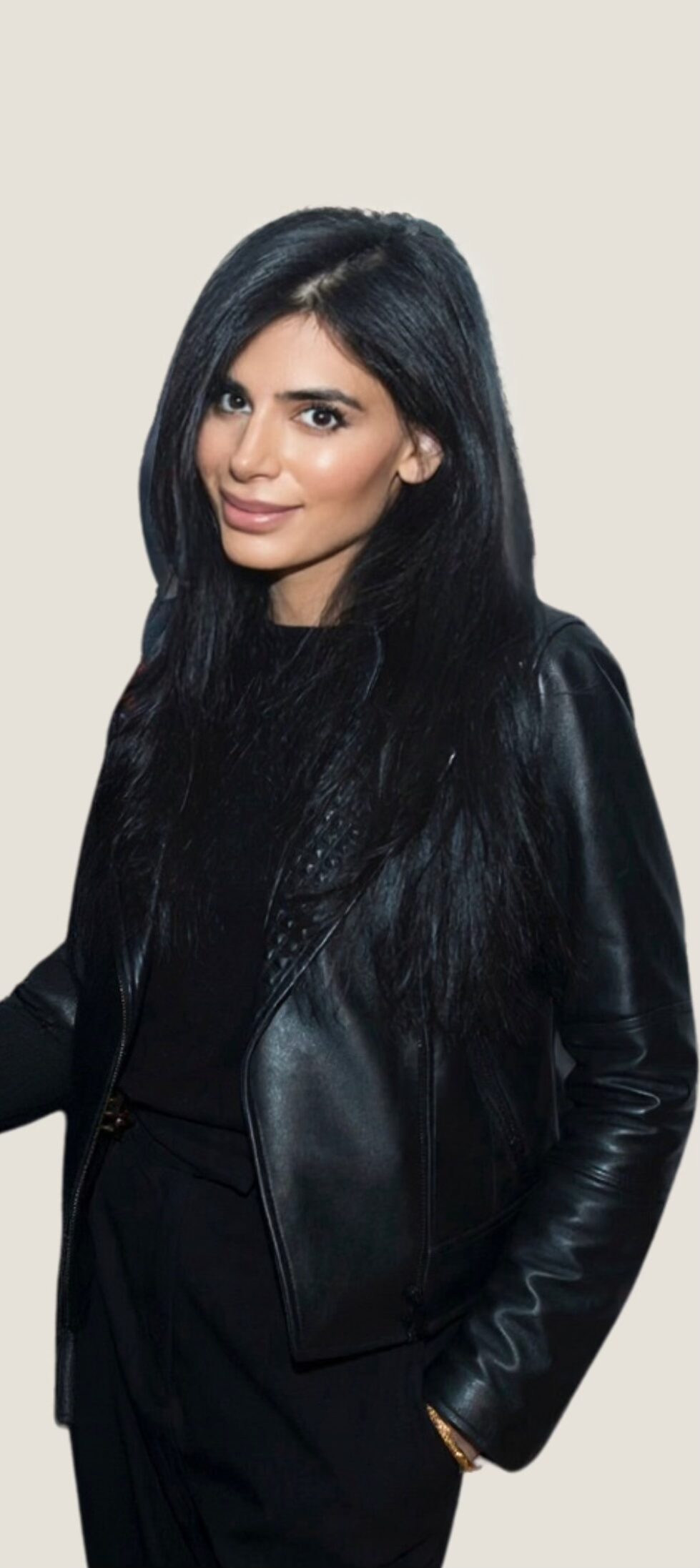
Monica Jennifer Kapoor, MD
Founder and CEO, Rescue Rituals
Monica left medicine to build something she couldn't find anywhere else. Rescue Rituals started with a bunny named Shiva, adopted during COVID, and the realization that the people who show up for animals deserve more than gratitude. They deserve a platform.

Matt Gohd
Chairman, Zero Gravity Corporation
Matt Gohd is the Chairman of Zero Gravity Corporation, the only FAA-approved provider of weightless flight experiences in the United States. Over a 40-year career in finance, he has been involved in more than 50 IPOs, mergers, restructurings, and acquisitions generating billions of dollars in shareholder value. He served as co-chairman of Bluestone Capital and Principal Managing Director of Pali Capital, and has been quoted by the Wall Street Journal, CNBC, CNN, and Fox Business News. He is the founder of MAG Strategic Advisory, serving family offices and emerging growth companies. Matt is a founding board member of the Starlight Children's Foundation in New York City and has served as co-chair of the annual dinner at the Robert F. Kennedy Center for Justice and Human Rights. He completed the Advanced Program in Mergers and Acquisitions at the Anderson School of Business, UCLA.
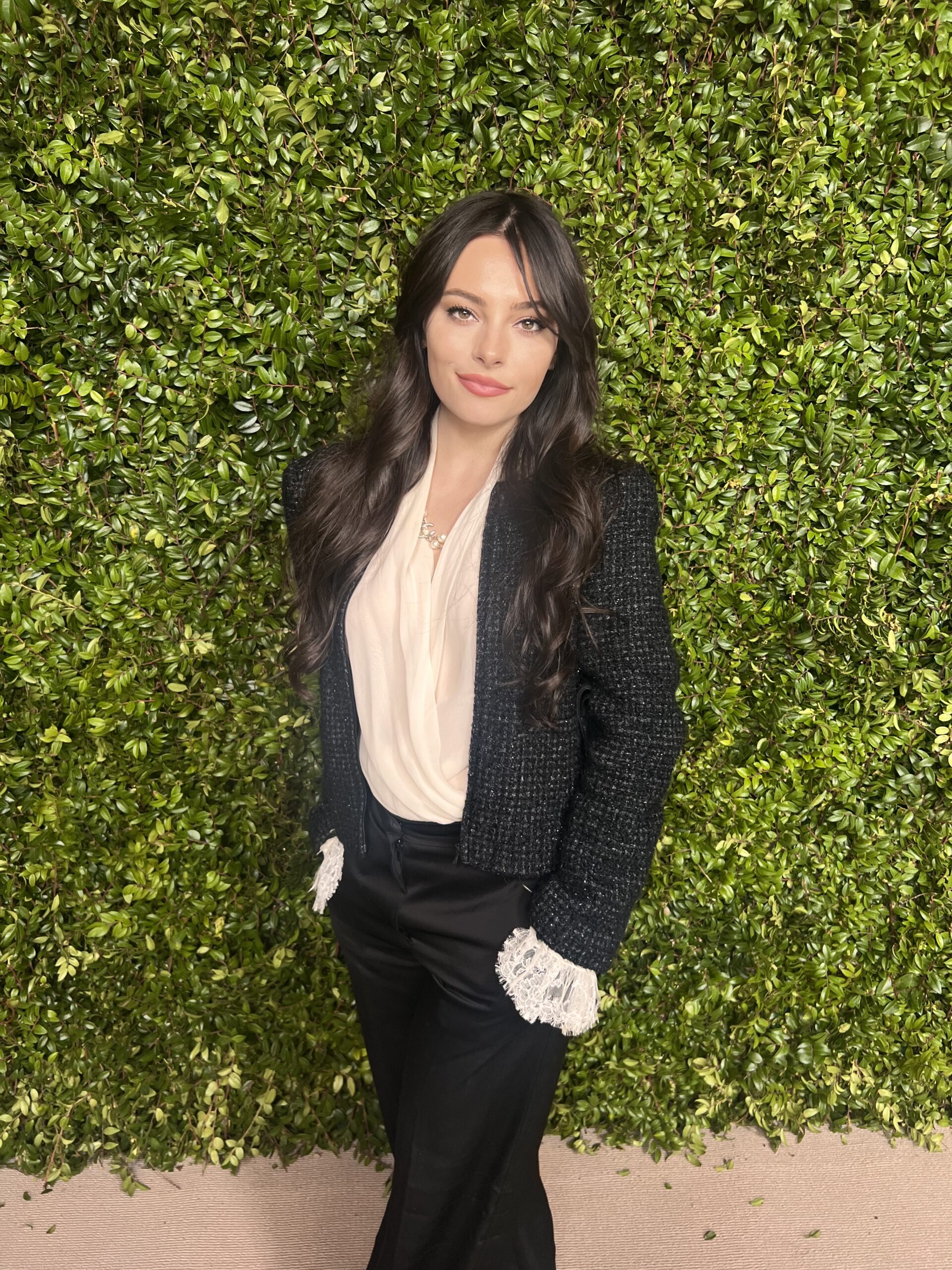
Siena Oberman
Founder, Artemis Pictures
Siena Oberman is the founder of Artemis Pictures. She has produced over 20 feature films with directors including Casey Affleck, Gus Van Sant, Sofia Coppola, Gia Coppola, and Angelina Jolie, with premieres at Sundance, Telluride, Venice, and Berlinale, and distribution through A24, IFC, Amazon, Lionsgate, and Universal. She has been named to Variety's Producers to Watch and Forbes' 30 Under 30, and in 2026 received the Cannes Film Festival Fellowship. She serves on the board of the United Nations Council for Global Change.
We're building our advisory board.
We're looking for experts in animal welfare, behavioral science, community platforms, hospitality, wellness, technology, and brand building who want to help shape the future of rescue culture.
Express Your Interest 🐾Be part of this from the beginning.
We're live in New York City and onboarding our first partners now. Leave your details and we'll be in touch directly.